 https://pittplusme.org/study/radiant
 RADIANT
STUDY BASICS
Are you depressed and not receiving treatment? You may be eligible for a research study to look at brain mechanisms that lead to recovery from depression. The study involves multiple functional MRI and neuromodulation sessions. Compensation is provided.
STUDY PURPOSE
The RADIANT research study is designed to look at brain mechanisms that lead to recovery from depression.
COULD THIS STUDY BE RIGHT FOR YOU?
- are between the ages of 18 and 55
- are fluent in English
- have major depressive disorder
- are currently not receiving any medication, psychotherapy, electroconvulsive therapy (ECT) or Transcranial Magnetic Stimulation (TMS) for your depression
WHAT PARTICIPANTS CAN EXPECT
By participating in this study, you will complete 5 visits.
- Screening Visit: complete a clinical interview and several questionnaires.
- Visit 0: complete baseline structural and functional magnetic resonance image (fMRI) scans.
- Visits 1, 2, and 3: you will receive three sessions of:
- Transcranial Magnetic Stimulation (TMS)
- The intravenous administration of a fast-acting or a conventional antidepressant.
- Functional magnetic resonance image (fMRI)
- A 1-week follow-up, where you will be asked to report on your mood symptoms after each experimental manipulation.
IRB: STUDY24040131
- Rapid antidepressant dynamics in acute neuromodulation treatments
AGE:
18-55

DURATION:
approximately 5 weeks
VISITS:
5

LOCATION:
Oakland

COMPENSATION:
up to $600 for your time

SHARE STUDY


MEET THE RESEARCHER
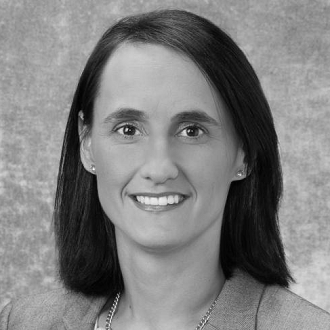
Marta Pecina
Marta Peciña, MD, PhD, is an Assistant Professor of Psychiatry at the University of Pittsburgh. A graduate of the University of Navarra, Dr. Peciña’s research interests include examination of the complex interaction between a patient’s beliefs, properties of antidepressant medications, and the neurobiology of depression.