 https://pittplusme.org/study/celeste
 CELESTE Study
STUDY BASICS
Do you have trouble falling asleep or staying asleep? You may be eligible for a research study to compare the effectiveness and safety of three insomnia treatments for women. Participation involves one in-person screening visit (1 to 1.5 hours) and four more study visits, either in-person or online (each lasting 30 minutes to one hour). Compensation is provided.
STUDY PURPOSE
Trouble sleeping is common. It can affect mood, heart health, memory, daily life, and safety, and it often occurs during perimenopause and after menopause.
There are three common treatments:
- CBT-I: a program that helps you change sleep habits and thoughts.
- Daridorexant: an FDA‑approved sleep medicine.
- Trazodone: an antidepressant that many doctors also use for sleep “off‑label” (not FDA‑approved for this purpose).
The overarching goal is to compare the effectiveness and safety of these insomnia treatments for women with peri- and early menopausal-related insomnia.
COULD THIS STUDY BE RIGHT FOR YOU?
- Are 40-62 years old
- Assigned female sex at birth
- Have trouble falling asleep or staying asleep
- Experiencing symptoms of menopause
WHAT PARTICIPANTS CAN EXPECT
If you join the study, you will come to one in-person screening visit for about 1 to 1.5 hours. You will then complete four more study visits, either in-person or online, each lasting 30 minutes to one hour.
You will be asked to:
- Fill out surveys and sleep logs four times over 12 months
- Complete one home sleep test for one night
- Wear a Fitbit
- Tell us what you think about your treatment
You will be randomly assigned (like flipping a coin) to one of three treatments:
- Trazodone, 25-100 mg each day (dose based on how you tolerate it)
- Daridorexant, 50 mg each day
- CBT-I delivered online
You may be in the study for up to 12 months, if you decide to take part in the whole study.
IRB: 2025P001920
- Comparative Effectiveness study of behavioraL and drug-rElated inSomnia Therapies for pEri- and post-menopausal people (CELESTE)


MEET THE RESEARCHERS
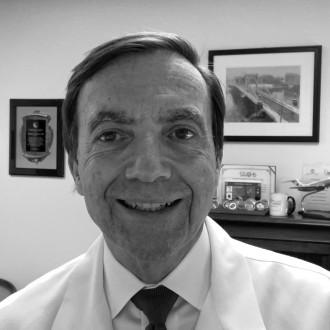
Patrick Strollo ,
Dr. Strollo is Professor of Medicine and Clinical and Translational Science at the University of Pittsburgh. His research has involved team science with an emphasis on translational investigations. His work along with his collaborators has focused on three broad areas of investigation: 1) New strategies/tools for the diagnosis of sleep disordered breathing, 2) Management of sleep disordered breathing with positive pressure therapy and other novel treatments and 3) The impact of sleep disordered breathing on cardiovascular function.
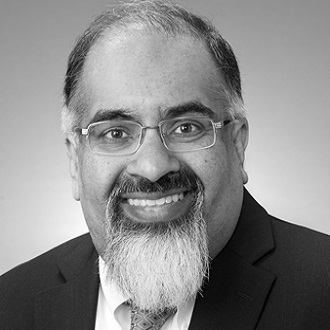
Sanjay Patel
Sanjay R. Patel, MD, MS, is Professor of Medicine, Epidemiology, & Clinical and Translational Science at the University of Pittsburgh, Director of the Center for Sleep and Cardiovascular Outcomes Research, and Medical Director of the UPMC Comprehensive Sleep Disorders Program. Dr. Patel's research interests focus on understanding sleep disorders with particular emphasis on chronic partial sleep deprivation, obstructive sleep apnea, and the potential effects of these disorders on long-term health outcomes.