 https://pittplusme.org/study/t1dmedication
 Rezpegaldesleukin (NKTR-358) in New Onset Type 1 Diabetes Mellitus - Ages 18-45
STUDY BASICS
Have you developed type 1 diabetes (T1D) within the last 3 months? You may be eligible to join a research study testing a drug called Rezpegaldesleukin to see if it will preserve insulin secretion after diagnosis of type 1 diabetes (T1D). After screening, if you are eligible and decides to enroll, participation will be for about one year.
STUDY PURPOSE
The goal of this study is to see if Rezpegaldesleukin can help delay or stop further destruction of the remaining beta cells in people who have recently been diagnosed with T1D. We will follow people in the study by performing blood tests and will collect information about their diabetes to learn more about how this drug works. If this treatment is helpful in people with newly diagnosed T1D it may be studied further in earlier stages of T1D see if it can delay or prevent the disease from developing.
COULD THIS STUDY BE RIGHT FOR YOU?
- are between the ages of 18 and 45
- has developed type 1 diabetes (T1D) within the last 3 months
WHAT PARTICIPANTS CAN EXPECT
Participants will be placed into one of these groups by chance (similar to flipping a coin or drawing straws). There are two treatment groups:
- 2 out of 3 participants will receive the study treatment (Rezpegaldesleukin).
- 1 out of 3 will receive a placebo (which looks like the study treatment but is an inactive substance).
The study treatment is given as an injection (a shot) every 2 weeks.
In addition to receiving the study medication, study procedures include
- Questionnaires
- Physical exam
- Collection of blood and urine samples
- Mixed Meal Tolerance Test
IRB: STUDY26010133C
- sIRB-Rezpegaldesleukin (NKTR-358) in New Onset Type 1 Diabetes Mellitus


MEET THE RESEARCHER
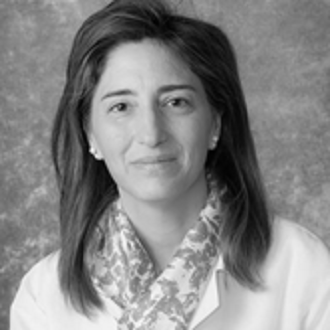
Ingrid Libman DeGordon
Ingrid Libman DeGordon, MD, PhD, is a Professor in the Division of Pediatric Endocrinology at the University of Pittsburgh School of Medicine and Director of the UPMC Children’s Hospital of Pittsburgh Diabetes Program. A graduate of the University of Pittsburgh Graduate School of Public Health, Dr. Libman’s research interests include prediction, prevention and management of diabetes in youth, the impact of obesity in type 1 diabetes and the concept of “double” diabetes in childhood.