 https://pittplusme.org/study/paincare
 Qualitative Interview Study on Pain and Physical Activity
STUDY BASICS
Share your story. Help us build better pain care. This research study is conducting interviews for older adults living with ongoing pain in Pittsburgh. Researchers at Pitt want to hear from you. In a one-on-one conversation, you'll share your experiences living with pain and trying to stay active — helping us shape a new kind of support program, designed to fit real life.
STUDY PURPOSE
The purpose of this research is to better understand the experiences of older adults managing ongoing pain, and how pain affects staying physically active — especially thinking about things like transportation, cost, safety, and time that can make it harder to stay active.
COULD THIS STUDY BE RIGHT FOR YOU?
- Adults age 60 or older
- Ongoing pain in the back, neck, or joints (including arthritis) for 3 months or more
- Able to engage in basic physical activity such as walking
- Living in a lower-income Pittsburgh neighborhood
WHAT PARTICIPANTS CAN EXPECT
- One relaxed conversation, about 60–90 minutes
- Meet by phone, or by video — your choice
- Talk about pain, activity, and what real support would look like for you
IRB: STUDY26080013
- Qualitative interviews to inform development of a social determinants of health-informed Acceptance and Commitment Therapy plus physical activity intervention for older adults with chronic pain


MEET THE RESEARCHER
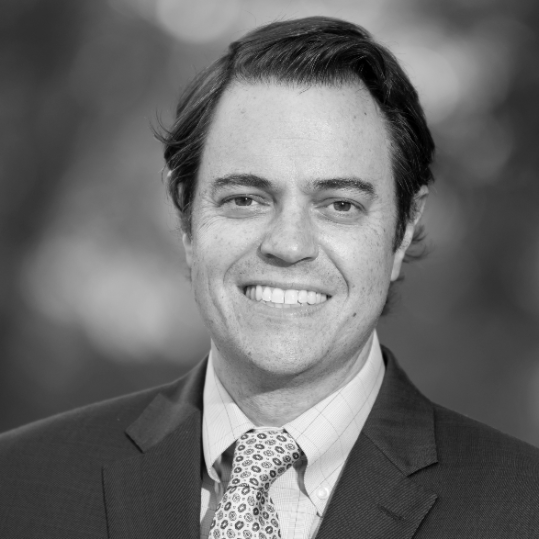
Eric Meyer ,
Eric Meyer, PhD, is a Professor and Director of the Clinical Rehabilitation and Mental Health Counseling Program. A licensed clinical psychologist, the goal of his research is to improve long-term functioning and quality of life in people living with complex combinations of trauma-related mental and physical health conditions including posttraumatic stress disorder, chronic pain, substance use disorders, depression, and traumatic brain injury. Through his research with active duty military personnel, military veterans, and emergency responders, he seeks to understand the influence of modifiable psychosocial factors on the functional recovery process in trauma-exposed populations. He translates findings from observational research to adapt, refine, and test behavioral interventions that target these modifiable factors. He is particularly interested in the potential of acceptance and mindfulness-based behavioral interventions to improve long-term functional outcomes. He served as a clinical trainer for a national training program in Acceptance and Commitment Therapy. His work has been funded by the Department of Defense, Department of Veterans Affairs, Federal Emergency Management Agency (FEMA), and the State of Texas. His current DoD-funded project aims to adapt and test the impact of a resilience intervention based on principles of acceptance and mindfulness-based psychological treatment.