 https://pittplusme.org/study/630
 Sedation, Pain, and Memory Study
We're sorry. This study is closed and no longer recruiting participants.
STUDY BASICS
Researchers from the department of Anesthesiology are recruiting healthy adults between the ages of 18-39 for a research study to better understand how pain and commonly-used anesthetics affect memory. Compensation is provided.
STUDY PURPOSE
The goal of anesthesia is to make sure the patient has no awareness or memory of the procedure being performed. People who do experience awareness or memory of a surgical procedure can have lifelong psychiatric disturbances. Researchers do not fully understand how different situations impact memory formation during anesthesia. The purpose of this study is to learn more about the effect of pain on memory formation during anesthesia.COULD THIS STUDY BE RIGHT FOR YOU?
- Ages 18-39
- No chronic medical conditions
- Native English speaker
- No significant memory or hearing impairment
- No chronic pain
- No sleep apnea
- Not regularly taking any of the following medications: antidepressants, anti-psychotics, antihistamines, anti-anxiety medication, stimulants, sleep-aids, or pain medication
- Not obese (BMI must be < 30)
- Willing and able to have an MRI scan (not claustrophobic, no metal in body)
WHAT PARTICIPANTS CAN EXPECT
The study requires 5 visits to UPMC Presbyterian, generally during weekday working hours. The initial visit takes about 30 minutes and involves a memory screening test. Participants who qualify for the study after the screening will be offered dates to schedule the study visits, usually in several weeks to months following the screening. The main experimental visits (2 of them) take up to 4 hours each, and will typically be scheduled in the morning. Prior to these visits, participants must fast from solid food for 8 hours and liquids for 2 hours. During this visit, participants will receive an intravenous (IV) anesthetic and experience light sedation. Participants will perform a word task in the MRI scanner, while periodically receiving electric shocks. Participants may not drive after this visit and thus must have other transportation home. The day after each of these 2 major visits, participants must return for a 1-1.5 hour memory testing session. For these follow-up sessions, no special preparations are needed and no shock or IV will be used.IRB: PRO14050609
- Modulation of long-term memory by the experience of pain during sedation with anesthetics
AGE:
18 - 39

VISITS:
5 visits

LOCATION:
UPMC Presbyterian

COMPENSATION:
Up to $200

SHARE STUDY


MEET THE RESEARCHER
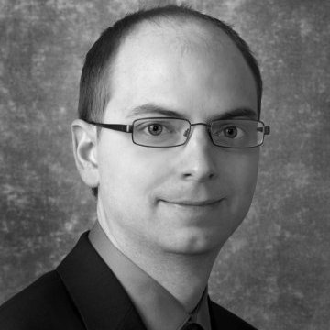
Keith Vogt
Keith M. Vogt, MD, PhD, is physician anesthesiologist with the University of Pittsburgh Physicians and an Associate Professor in the University of Pittsburgh, School of Medicine, Department of Anesthesiology. A graduate of Ohio State University, Dr. Vogt studies how anesthetic and analgesic interventions work in the brain to affect pain perception and cognitive function.